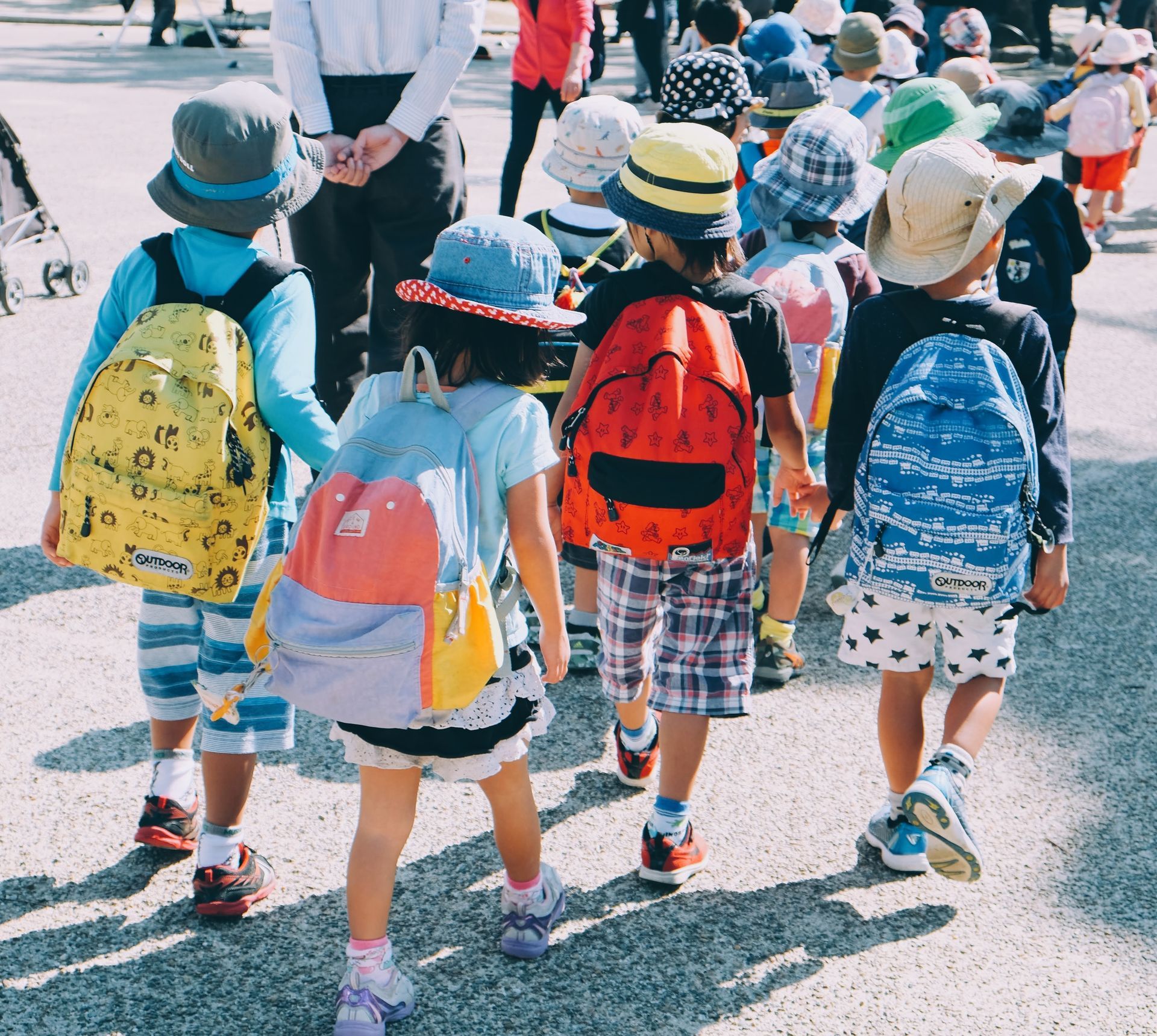
How Character Education Improves School Climate Daily
Get character education right, and student behavior and school climate won't just get better. They change for good.
Introduction
Walk into a school with strong character education and you can feel it right away.
The halls are calm. Kids hold doors for each other. Fights get solved without shouting. Teachers spend less time on behavior and more time on real teaching. This isn't luck. It's what happens when a school puts character into the heart of every day.
Most schools fight bad behavior with rules and rewards. Detention for one thing. Prizes for another. But these tricks only treat symptoms. The real problems keep growing. Character education works in a whole new way. It shapes how kids see themselves, their friends, and their place in the school.
Get character education right, and student behavior and school climate won't just get better. They change for good.
Why Traditional Discipline Falls Short Without Character Education
Punishment-based systems make kids obey through fear. They don't build better people.
A student stops talking in class to dodge detention. Not because they care about learning. Another kid avoids bullying to skip suspension. Not because they feel for others. The behavior shifts for a moment, but the heart stays the same. Once the threat is gone, old habits come right back.
Character education works on the inner voice that guides choices when no one is looking. It teaches kids to be honest because they value the truth. To welcome others because they know what belonging feels like. To own their actions because they see how they affect people. You can't scare these traits into a child.
Schools that lean only on old-school discipline burn huge energy reacting to messes. Character education flips that. It puts energy into stopping problems before they start. It hands kids the mindset and skills to make smart choices on their own. That's not soft. That's smart. And it's a key driver of a healthy school climate where character lives in everything you do.
The Core Elements That Make Character Education Work
Not every character program gets results. The big difference? How deep it runs in the school's culture.
Strong character education isn't a poster on the wall. It's not a once-a-month assembly. It lives in daily routines, lessons, and every chat between people. Here's what truly moves the needle:
· Clear lessons on core values like respect, responsibility, empathy, grit, and honesty
· Steady modeling by adults who live those values in how they talk, listen, and solve fights
· Real chances to practice through team work, service projects, and solving real problems
· Time to reflect and talk so kids link their actions to their values
· One shared language across the whole school so kids hear the same message in every room and hall
When these pieces line up, character education stops being extra. It becomes the school's heartbeat. Kids don't just hear about kindness in one lesson. They watch their teacher live it. They practice it in group work. They write about it. They get noticed for it at lunch. That kind of repeat across the day creates change that sticks.
Schools that struggle treat character like a side dish instead of the main meal. If it only shows up in one time slot, it won't last. The best programs build character into everything the school does, every day.
How Character Education Cuts Down on Bad Student Behavior
Kids with strong character don't make as many bad choices.
A student who cares about others won't make fun of a classmate. A kid who values honesty will own up to a mistake. A child who can pause and think won't yell when they get mad. Character education won't fix every problem. But it makes a huge dent.
Schools with strong character programs see real change. Trips to the office go down. So do suspensions. So do bullying reports. One study found schools with set character education had 20% fewer student behavior issues in just two years. That means more class time. Happier teachers. Safer halls. A better school climate for every kid.
Why does this work? Character education builds the inside skills that keep trouble away. A kid who can name what they feel, ask for help, and think before acting won't end up in the principal's office as much. The old way just hands out punishment after the fact. Character education works ahead of time. It helps kids do the right thing in the first place.
Building Empathy That Changes How Kids Treat Each Other
Empathy is the skill that changes how students treat each other. And yes, it can be taught.
Most bad student behavior comes from one thing. Kids don't stop to think about how their actions hurt others. The kid who cuts in line doesn't think about who's waiting. The one who spreads rumors doesn't picture the pain. Empathy training fixes that gap. It helps kids step into someone else's shoes.
Good ways to build empathy include:
- Talks where kids look at the same story from different sides
- Reading books and digging into how the characters feel
- Peer chats where kids must really listen and reply with care
- Service projects that connect kids with people who live very different lives
When kids build real empathy, the whole school feels different. They stand up for peers being picked on instead of joining in. They wave the lonely kid over at lunch. They say sorry and mean it when they mess up. You can't put these things in a rule book. They show up when kids start to value treating others well.
Schools with high empathy see less bullying. Friendships get stronger. Classrooms work better as a team. Kids feel safer raising their hand because they know their peers won't laugh at a wrong answer. That's a big shift in school climate, and it starts with one simple thing. Teaching kids to care.
Creating a Shared Language Around Values
When the whole school speaks the same character language, kids start holding each other up.
Picture a school where every adult and every student knows the five core values by heart. Respect. Responsibility. Honesty. Grit. Kindness. Those words show up in morning news. In class talks. In coach feedback. In every fix-it chat after a fight. They're not big fancy ideas. They're the tools kids use to check their own choices.
A teacher won't say, "Stop being mean." She'll say, "Does that match our value of kindness?" A student won't tattle. He'll say, "I saw something that doesn't fit our promise to be honest." That shared language makes the rules clear. It gives kids the words to fix their own mistakes. And it lets them call out friends in a kind way.
This common language helps adults stay on the same page, too. When every teacher handles rude behavior the same way, kids can't play games. They can't say, "Mr. Jones lets us do this but Ms. Smith doesn't." The rules follow the kid, not the room. That kind of steady character education in everything you do cuts down on the testing kids do. They learn the rules faster.
Schools that skip this step end up with a mess. Each teacher does their own thing. The message gets watered down. Kids never get the strong, clear signals that turn good ideas into real habits. A strong school climate needs one voice, all day long.
Connecting Character to Better Grades
Character education doesn't pull time away from learning. It builds the space where real learning can happen.
A class full of kids who value grit will keep at hard problems. They won't give up at the first sign of trouble. Kids who respect each other have real talks, not fights. Kids who own their actions ask for help when they're stuck.
They don't hide their struggles. Good grades and good character aren't two different goals. They grow together.
Studies show schools with strong character education see better grades along with better student behavior. Kids show up to class more. They feel like they belong. They speak up more because the room feels safe. They try harder because they've learned to push through the hard parts.
Teachers in these schools are happier, too. Less stress. Less yelling. More time to do the job they love. When student behavior gets better, every single person in the building wins. The whole school climate lifts up.
Character education builds kids who don't just know facts. They know how to work hard. They know how to team up. They know how to take feedback. They know how to bounce back when things go wrong. Those skills stick with them long after the test is done.
Catching Kids Doing the Right Thing
What gets noticed gets done again. That's true when the praise feels real and points to one clear thing.
Saying "good job" doesn't stick. Kids tune it out. But when an adult sees a moment of true character and names it, that's when it lands. Try this: "I saw you ask Maya to join your group, even when you had enough kids. That took real kindness. It made her whole day." That kind of detail tells the kid just what to do again. And why it matters.
Smart ways to spot and praise good character include:
· Character shout-outs at morning news that name the kid and the deed
· Peer praise where kids name classmates who showed core values
· Character cards or pins tied to one value, with a note about what the adult saw
· A trip to the principal's office for a good thing, not a bad one
The goal isn't to raise kids who only do good when someone is watching. The goal is to make character a big deal in the school. When kids see good values praised as much as sports wins or top grades, they learn that who they are counts as much as what they do.
This kind of praise also flips peer pressure on its head. Kids see classmates getting a shout-out for being honest or kind. They want that, too. The whole vibe shifts. The school climate moves from "what can I get away with" to "how can I help out." That's a huge win for student behavior.
Training Staff to Live and Teach Character Every Day
Kids learn way more from what adults do than from what they say.
A teacher who talks about respect but cuts kids off mid-sentence sends a clear message. And it's the wrong one. A principal who talks about honesty but bends the rules for star kids teaches that values are up for grabs. Character education only works when every adult in the school lives the values they teach.
This takes more than one quick training day. Staff need real, ongoing help. They need to learn how to weave character into math, reading, and every other subject. They need tools to lead hard talks about right and wrong. They need to deal with bad student behavior through a character lens. Not just hand out punishment.
Schools also need ways to keep adults on track. Team meetings should ask one big question. Are the grown-ups walking the talk? Leaders should pop into classrooms and watch for character moments, not just teaching skills. When a teacher slips into yelling or playing favorites, a peer should feel safe pointing it out.
The best programs help adults work on their own character, too. Teachers who push to grow their own patience or honesty become real-life models for kids. They also learn how hard character growth can be. That makes them softer when a kid messes up. It builds a school climate where everyone is growing. Not just the kids.
Pulling Families Into the Character Education Work
Character growth doesn't stop at the school door. Families have to be part of the team.
When schools and families speak the same way and back the same values, kids feel it. They get the same message at school and at home. That's when growth speeds up. A parent who hears their child talk about grit can use that same word when homework gets hard. Families who know the school's character plan can have better talks about friend fights or bad choices.
Smart schools make it easy for families to join in:
· A monthly note that shares the value of the month and gives talk starters
· Family workshops that teach the same character skills used at school
· Home games and chats tied to the value of the month
· Clear notes on how character values link to school rules
Some families will jump in. Some won't. That's life. But even a small bit of family help adds up. When a kid hears the same words about being honest from their teacher and their mom, it sinks in deep.
Family ties also help schools learn. Values like respect or grit can look a bit different in each home. Those talks help schools teach character with care. They help schools see kids' lives in full, not just through one narrow lens. That kind of bond pays off in better student behavior and a stronger school climate.
Character Education Is the Work That Lasts
You don't do character education once and check it off a list. You commit to it for the long haul. It grows and shifts with your kids and your school.
The schools that see big change treat character education as serious work. Just as serious as reading or math.
They give it real time. Real money. Real focus from the top. They build a school where character is taught, lived, and praised every single day. When that takes root, school climate stops being a thing you fight to manage. It runs itself. Kids hold each other up. They speak up for what's right. They take pride in being part of something good.
The biggest win isn't quiet halls or clean rooms. Those are nice. But the real prize? Watching kids walk out of your school with the strong character to handle whatever life throws at them. Kids who treat people well. Kids who do good work in any group they join next. That's the kind of character work that lives in everything you do.
And it lasts way longer than any test score or lesson plan.
Character Education Is the Work That Lasts
You don't do character education once and check it off a list. You commit to it for the long haul. It grows and shifts with your kids and your school.
The schools that see big change treat character education as serious work. Just as serious as reading or math.
They give it real time. Real money. Real focus from the top. They build a school where character is taught, lived, and praised every single day. When that takes root, school climate stops being a thing you fight to manage. It runs itself. Kids hold each other up. They speak up for what's right. They take pride in being part of something good.
The biggest win isn't quiet halls or clean rooms. Those are nice. But the real prize? Watching kids walk out of your school with the strong character to handle whatever life throws at them. Kids who treat people well. Kids who do good work in any group they join next. That's the kind of character work that lives in everything you do.
And it lasts way longer than any test score or lesson plan.
Bring Character Education to Life at Your School
Want to spark this kind of growth in your kids? Joe Romano's 45-minute assembly, "The Magic in You!", mixes magic with real lessons on respect, honesty, and kindness. It's a fun, hands-on way to plant the seeds of strong character and a better school climate, all in one school visit.
SHARE POST