Transform Your Child into an Eager Reader Starting Today
Watching a child fall in love with reading is one of the most rewarding things a parent or teacher can experience. When it happens, everything feels easier. Homework feels lighter. Curiosity grows. Confidence follows. But reaching that point rarely happens by accident.
Many adults hope reading will “just click” one day. They take kids to the library now and then. They buy books they think kids should like. They remind kids to read more often. Sometimes that works. Often, it doesn’t.
Kids today face more competition for their attention than ever before. Screens are everywhere. Games move fast. Schedules stay full. Sitting down with a book can feel slow by comparison, especially for children who have not yet found a reason to enjoy reading.
That does not mean kids dislike books. In many cases, it means reading has not been set up in a way that feels inviting. Reading may feel like work. It may feel forced. It may feel disconnected from what the child actually cares about.
The good news is that encouraging reading does not rely on luck or personality. Clear reading strategies exist that help children build strong reading habits at home and at school. These strategies work with eager readers and with children who resist books at every turn.
Encouraging reading also looks different at different ages. A toddler learning letters needs a different approach than a child who can read but chooses not to. A younger child may need structure and shared reading. An older child may need more choice and independence. The core ideas stay the same, but the way they are used changes over time.
With the right mix of support, reading can stop feeling like a battle. Curiosity can return. Skills can grow naturally. Over time, books can become something children choose on their own, not something they are pushed toward.
That shift does not happen overnight. It happens step by step. And it can happen at any age.
Building a Reading-Friendly Environment at Home and School
Encouraging reading often starts with the space around the child. Kids read more easily when the space feels calm and comfortable. When a space feels loud or rushed, reading becomes harder to start.
A reading-friendly space does not need to be fancy. It does not need special furniture or decorations. It simply needs to feel different from homework time and screen time.
Comfort matters. Kids stay with books longer when they are comfortable. Floor cushions, bean bags, couches, or a soft chair all work well. Hard chairs and desks often make reading feel like work instead of relaxation.
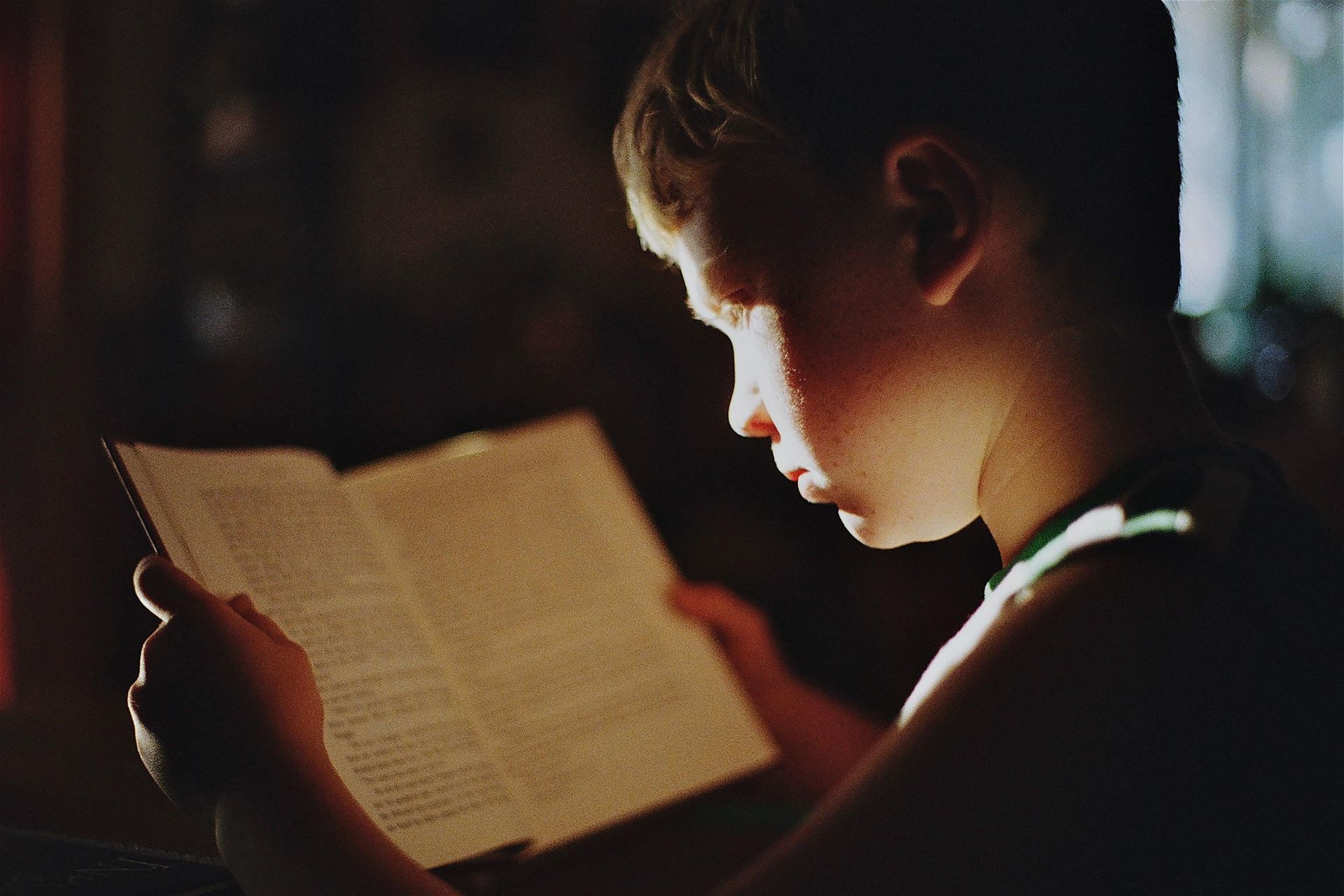
Lighting matters too. Kids read better when they can see the page clearly. Natural light works well during the day. Lamps help in the evening. Poor lighting makes reading tiring and frustrating.
Noise can get in the way of reading. Loud TVs, busy walkways, and constant talking make it harder for kids to focus. A quieter corner helps kids settle in, especially younger children who are still learning how to concentrate.
It also helps when reading happens in the same place most days. When kids know where reading usually happens, it feels more familiar and less like a chore. Over time, that familiarity makes reading easier to begin.
Reading spaces should feel relaxed, not controlled. Kids are more willing to explore books when they do not feel rushed or corrected. A calm space sends a clear message that reading is meant to be enjoyed.
The same ideas apply at school. Reading corners, quiet areas, and cozy spots invite kids to read during free moments. When schools treat reading as more than an assignment, students are more likely to choose books on their own.
A good reading environment does not force kids to love reading. It simply removes obstacles that push kids away. When the space supports reading, encouraging reading becomes much easier.
Making Books Easy to See and Easy to Reach
Books that are hard to reach often stay unread.
When books sit on high shelves or inside closets, kids forget about them. When books are easy to see and easy to grab, they feel inviting.
Low shelves help kids browse on their own. Open baskets work well too. Books that face forward are easier to choose than books lined up by the spine. Covers catch attention and spark interest.
Rotating books also helps. Keeping a smaller group of books out and swapping them every few weeks makes old books feel new again. This keeps curiosity alive without buying more books.
Books do not need to stay in one room. Books in bedrooms support quiet moments. Books in living rooms invite casual reading. Books in cars help pass the time during trips. The more often kids see books during the day, the more normal reading feels.
Variety matters as much as placement. Picture books, chapter books, graphic novels, nonfiction, and poetry all belong. Different kids connect to different types of books. Encouraging reading means offering choices that fit different moods and interests.
When kids can reach books without asking, they feel trusted. That sense of control leads to more browsing. More browsing often leads to more reading.
Simple access removes friction. When books are easy to find, reading starts more easily.
Building Daily Reading Routines That Stick
Encouraging reading works best when it becomes part of the day, not something added on only when there is extra time. Kids do better with routines they can expect and understand.
Reading does not need to take a long time. Short reading times each day work better than long sessions once in a while. Ten to fifteen minutes a day is enough to build a habit.
Choosing a regular time helps. Some families read before bed. Others read after school or before dinner. The best time is the one that happens most days. When reading has a clear place in the schedule, kids are less likely to resist it.
Reading time should feel calm. Rushing, watching the clock, or pushing kids to read faster adds pressure. Pressure makes reading harder to enjoy. Letting reading end on a good note helps kids feel willing to return the next day.
Consistency matters more than perfection. Missing a day now and then is normal. What matters is returning to the routine without guilt or lectures.
At school, short daily reading times also help. Silent reading, partner reading, or teacher read-alouds all support routine. When reading happens often, it feels normal instead of special.
Daily routines are one of the simplest reading strategies, but they are also one of the most powerful. When reading becomes part of everyday life, encouraging reading feels easier for everyone.
Choosing Books That Match Interest and Ability
Encouraging reading becomes much harder when kids are given the wrong books.
Adults often focus on what kids should read. Kids focus on what they want to read. When interest is missing, reading feels like work, even if the book is easy.
Interest comes first. A child who loves animals will often read longer and try harder with an animal book. That same child may avoid a simpler book on a topic that feels boring. Curiosity gives kids energy. Boredom takes it away.
Ability still matters. Books for everyday reading should feel comfortable. Kids should recognize most of the words without stopping on every line. When reading feels smooth, kids can enjoy the story instead of struggling through it.
Easy books are not a problem. Easy books help kids build confidence. Confidence helps kids read more. Reading more leads to growth over time. Graphic novels, comics, joke books, and short chapter books all count.
If a book is not working, switching books is fine. There is no need to finish every book. Forcing kids to push through a book they dislike often makes them want to read less, not more.
Series books help many kids. Familiar characters and settings make it easier to jump back in. Knowing what to expect lowers stress and helps reading feel safe.
Matching books to interest and ability is one of the most effective reading strategies. When kids enjoy what they read and feel capable while reading, encouraging reading becomes much easier.
Reading Together Without Turning It Into Work
Reading together still matters, even after kids can read on their own.
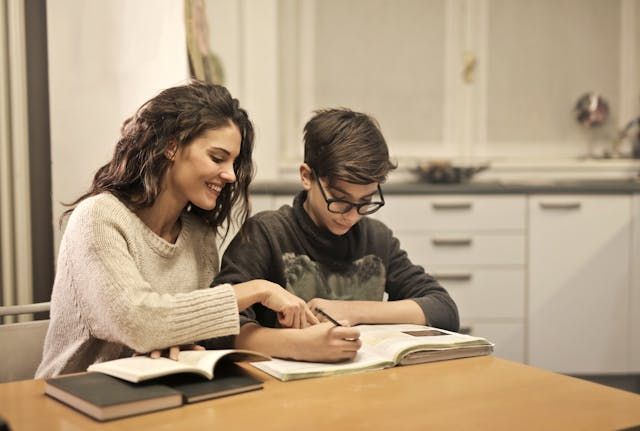
When adults read with kids, reading feels shared instead of forced. Kids relax more. They listen more closely. Stories feel safer and more enjoyable.
Reading aloud works well at many ages. Younger kids enjoy hearing stories and looking at pictures. Older kids enjoy listening to longer stories they might not choose to read alone yet. Both groups benefit from hearing fluent reading.
Reading together should feel easy. Stopping often to test memory or correct mistakes can break the flow. Too many questions can turn reading into work. Simple reactions work better. Laughing at a funny part or wondering what might happen next keeps the story moving.
Shared reading also builds attention. Kids learn how stories sound. They hear how voices change and how sentences flow. This helps their own reading feel smoother over time.
Reading together does not need to happen every day to help. Even a few times a week can make a difference. What matters most is that the time feels calm and positive.
At school, reading together helps too. Teacher read-alouds and partner reading give kids access to stories without pressure. These moments show that reading is something people enjoy, not just something they are graded on.
Reading together supports encouraging reading because it removes stress. When kids connect books with comfort and attention, they are more open to reading on their own later.
Using Choice to Support Encouraging Reading
Choice plays a big role in whether kids want to read.
When kids feel they have no control, reading often feels like an order. When kids have choices, reading feels more personal. That small shift can change how kids respond to books.
Letting kids choose what they read matters. Graphic novels, comics, magazines, joke books, and nonfiction all count. These books still build reading skills. More importantly, they keep kids engaged.
Judging book choices often shuts kids down. When adults criticize a child’s choice, kids stop sharing what they read. Some stop reading altogether. Respecting choices builds trust, and trust supports encouraging reading.
Choice also applies to how kids read. Some kids like reading on a bed. Others prefer the floor or a quiet corner. Some focus better while listening to an audiobook and following along with the text. Comfort helps kids stay with books longer.
Timing matters too. Some kids read best in the morning. Others focus better later in the day. Allowing some flexibility helps reading fit into real life instead of fighting it.
A few limits still help. Reading should happen regularly. Books should be safe and age-appropriate. Beyond that, fewer rules usually lead to more reading.
Choice is one of the simplest reading strategies, but it is also one of the most effective. When kids feel trusted, they are more willing to pick up books on their own.
Helping Reluctant Readers Without Pressure
Some kids avoid reading for real reasons. Pushing harder usually makes those reasons worse.
Reading may feel difficult. Staying focused may feel hard. Some kids worry about making mistakes. Others would rather move around than sit still. Each of these challenges needs a calm response, not more pressure.
Short reading times help many reluctant readers. Long sessions can feel overwhelming. Ten minutes of success works better than thirty minutes of struggle. Ending early while things still feel positive makes it easier to try again later.
Audiobooks help remove stress. Listening to a story allows kids to enjoy books without getting stuck on every word. Following along with the printed book builds confidence over time. Many kids become more willing to read on their own after listening first.
Graphic novels and illustrated books also help. Pictures support understanding and keep stories moving. These books are still real reading. They help kids practice skills while enjoying the story.
Praise effort, not speed. Saying “you stuck with that” helps more than saying “you read fast.” Focusing on effort helps kids feel capable instead of judged.
If reading stays very difficult after second grade, extra support may help. Early help prevents years of frustration. With the right tools, many reluctant readers grow into confident ones.
Reducing pressure is one of the most effective reading strategies. When stress goes down, curiosity often comes back.
Connecting Reading to Real Life Experiences
Reading feels stronger when kids can see how books connect to real life.
Stories make more sense when they link to things kids already know. A book about animals feels more exciting after a zoo visit. A story about cooking connects better when kids help in the kitchen. These small links help stories stick.
Talking about books outside of reading time also helps. Simple comments work best. Saying, “That part was funny,” or “That reminded me of our trip,” shows kids that stories matter beyond the page. Long lessons are not needed.
Books also help kids understand feelings and people. Characters face problems, make choices, and fix mistakes. Kids see how friendships change and how conflicts get solved. These moments help kids think about their own lives in a gentle way.
This is one reason stories about friendship, teamwork, and emotions work so well. They give kids examples without lectures. They also connect well with ideas found in guides like this one on turning a child into an eager reader without the fight:
https://www.ultimateschoolshows.com/turn-your-child-into-an-eager-reader-without-the-fight
Following a child’s interests helps here too. When kids ask questions about a topic, offering more books on that topic keeps curiosity alive. Different formats help. Picture books, short chapters, and nonfiction all support understanding.
When reading connects to real life, books stop feeling distant. They start to feel useful. That shift makes encouraging reading easier and more natural.
Using Libraries and Bookstores to Build Reading Habits
Libraries and bookstores play a big role in encouraging reading.
These spaces send a clear message that books matter. When visits feel calm and open, kids relax and explore. When visits feel rushed or strict, kids often shut down.
Library visits work best when kids have time. Letting kids walk through the shelves, flip pages, and sit with a book for a few minutes helps curiosity grow. Rushing from section to section makes choosing harder.
Choice matters here too. Helping kids find books they like works better than steering them toward books adults prefer. If a book does not work out, it can always be returned. Knowing that removes pressure.
Libraries also offer more than books. Story times, reading clubs, and special events help kids connect reading with fun and community. These experiences help reading feel social, not isolating.
Bookstores feel different because books can be kept. Letting kids choose a book to own creates pride and excitement. Special trips for birthdays or milestones turn books into positive memories.
Browsing together helps as well. Talking about covers, titles, or pictures keeps the experience light. No testing is needed. Interest is the goal.
Ideas like these support many of the same low-pressure reading strategies found in this guide on turning a child into an eager reader without the fight:
https://www.ultimateschoolshows.com/turn-your-child-into-an-eager-reader-without-the-fight
When libraries and bookstores feel welcoming, kids are more likely to return. Over time, these visits help reading become part of everyday life.
Final Thoughts on Encouraging Reading at Home and School
Encouraging reading works best when adults stay patient and consistent.
No single reading strategy works overnight. Reading habits grow slowly. Some kids take to books right away. Others need more time. Both paths are normal.
What matters most is the message kids receive over time. Books should feel safe. Reading should feel possible. Interest should matter more than speed or level.
When adults focus on comfort, choice, and routine, reading becomes easier to return to. When pressure fades, curiosity often grows. That curiosity is what keeps kids reading long after reminders stop.
Home and school work best when they support each other. When kids see the same calm approach in both places, reading feels steady instead of confusing. Consistency helps kids trust the process.
Encouraging reading does not require perfect routines or expensive programs. It requires adults who stay calm, offer options, and keep books within reach.
Over time, those small choices add up. Reading becomes part of daily life. Books turn into something kids choose, not something they avoid.
That is how strong reading habits form. And those habits can last a lifetime.
Inspire Your Entire School!
Want to inspire your entire school to read more? Check out my fun-filled reading assembly, "Books! The Magic is Real!" It's a fun, reading adventure filled with magic, join-in fun, music, and more. Contact me today for more details!
SHARE POST