Turn Your Child Into an Eager Reader Without the Fight
Some kids love reading. Others do everything they can to avoid it.
Most adults assume the difference comes down to reading skill. In my experience, that’s almost never the real reason.
What usually matters more is how reading feels to the child.
For a lot of kids, reading starts to feel like work early on. They get reminded to read. They get corrected while they read. They feel pressure to read the “right” books the “right” way. No one means to make it stressful, but that’s often what happens.
I’ve seen parents and schools push reading harder because they care, only to watch kids slowly pull away. The pushing increases. The interest drops. And suddenly getting kids to read feels like a constant struggle.
Other kids have a very different experience. Books are easy to grab. Stories match what they already like. Reading feels optional, not forced. Those kids don’t need reminders or reward charts. They read because it feels normal in their day.
Once you understand what helps kids enjoy reading—and what quietly turns them off—you can change the whole dynamic. Reading stops being a fight and starts feeling like something kids choose.
That’s where real reading habits come from.
Why Reading Motivation Matters More Than Reading Ability
A child can know how to read and still avoid books.
That surprises a lot of adults.
Most people assume that once kids learn the skill, everything else falls into place. In real life, that’s not how it works. Reading ability and reading motivation are two very different things.
Reading ability means a child can sound out words and understand sentences. Reading motivation means a child actually wants to read when no one is telling them to.
Motivation is the part that sticks.
I’ve seen kids with strong reading skills stop reading the moment the pressure disappears. I’ve also seen kids who struggled early become strong readers simply because they kept picking up books on their own.
The difference wasn’t talent. It was desire.
Kids Who Want to Read, Read More
This part matters more than people realize.
Kids who enjoy reading read more often. They read longer. They read without being asked. Over time, that extra reading adds up in a big way.
A child who reads for pleasure most days sees far more words in a year than a child who only reads when required. That extra exposure builds vocabulary, understanding, and confidence without drills or worksheets.
It happens quietly in the background.
Kids who avoid reading miss out on that growth, even if they technically know how to read. They don’t spend enough time with books for those gains to show up.
Skill Opens the Door, Motivation Walks Through It
Schools do a good job teaching reading skills. Parents work hard to support that learning at home. But skills alone don’t create readers.
Motivation is what turns reading into a habit.
When kids feel pressure, reading stays tied to assignments and expectations. They do what they have to do and stop as soon as they can.
When kids feel interest, reading becomes personal. They follow topics they care about. They reread favorites. They use books to answer questions or pass time.
That’s when reading becomes part of daily life.
The Effects Go Beyond Reading
Kids who enjoy reading tend to stick with harder things. When a book gets tricky, they slow down instead of quitting. They reread parts that don’t make sense. They keep going.
Those habits show up in other areas too.
They handle schoolwork with more patience. They build better focus. They get used to working through confusion instead of avoiding it.
Stories also help kids understand people. They see how characters deal with problems, feelings, and friendships. That’s one reason reading supports social growth as well, especially when paired with ideas like the ones shared here on helping children make friends:
https://www.ultimateschoolshows.com/simple-tips-on-how-to-help-your-child-make-friends
Early Scores Matter Less Than Long-Term Habits
It’s easy to worry about early reading levels. Those benchmarks matter, but they don’t tell the whole story.
A child who reads a little slower but enjoys books often passes peers later on. A child who reads early but dislikes books often stalls.
The goal isn’t just teaching kids how to read. It’s helping them want to read.
That choice shapes everything that comes next.
Creating a Book-Rich Environment That Invites Exploration
The space around kids matters more than most people think.
When books feel hidden or hard to reach, reading feels like something special that needs permission. When books are easy to grab and part of everyday life, reading feels normal.
I’ve seen this play out many times. Kids don’t avoid books because they dislike stories. They avoid books because books don’t feel like they belong to them.
Books Should Be Easy to See and Easy to Grab
If books live on high shelves or in closed bins, kids rarely touch them. Out of sight quickly becomes out of mind.
Books work best when kids can reach them on their own. Low shelves help. Open baskets help. Books turned so kids can see the covers help even more.
Covers invite curiosity. Curiosity leads to browsing. Browsing often turns into reading.
When kids don’t need to ask for permission to grab a book, they feel trusted. That feeling matters more than people realize.
Spread Books Around the House or Classroom
Books don’t need to live in just one spot.
Books in the living room invite casual reading during downtime. Books near the kitchen give kids something to do while waiting. Books in bedrooms support quiet moments before bed or after waking up.
Even a few books in the car can change how kids use travel time.
When books show up everywhere, reading slips naturally into the day instead of feeling like a scheduled task.
Variety Matters More Than Quantity
You don’t need a huge collection of books. You need the right mix.
Some days kids want funny books. Other days they want facts, pictures, or short reads. Having different types of books gives kids options without pressure.
Picture books count.
Chapter books count.
Graphic novels count.
Magazines count.
Nonfiction counts.
All of it helps kids spend more time with words.
Rotating books every few weeks keeps things fresh without buying more. A familiar book feels new again when it shows up in a different place.
Comfortable Reading Spaces Make a Difference
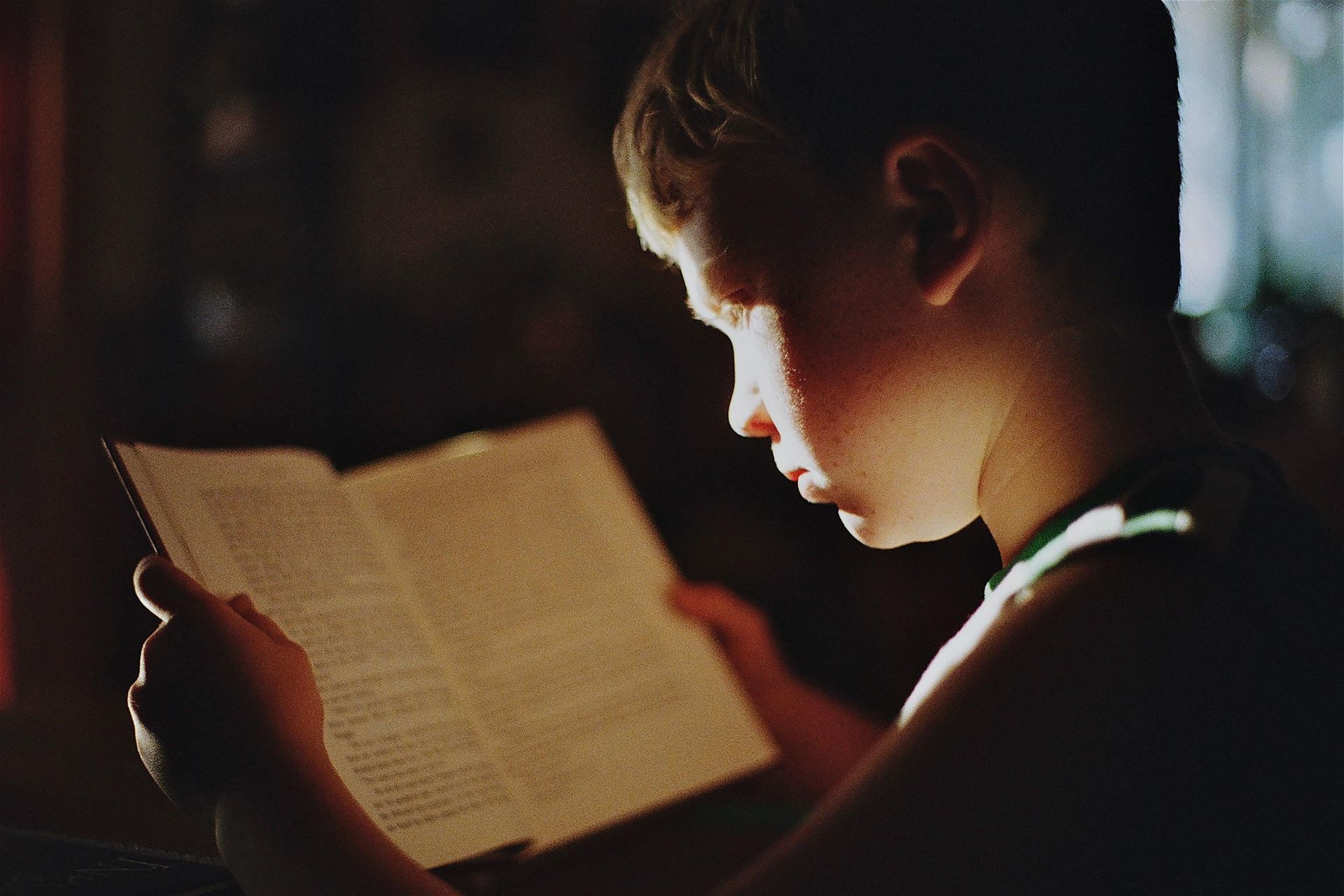
Kids read longer when they feel comfortable.
Hard chairs and desks feel like schoolwork. Soft spots feel relaxing. A pillow, a couch, or a quiet corner works better than a perfect setup.
Good lighting helps too. Reading is harder when kids have to strain to see the page.
Screens pull attention fast. When reading spaces stay screen-free, books have a better chance to win.
Giving Kids a Sense of Ownership
Kids care more about books when they feel some ownership.
A small shelf that belongs to them helps. A basket of favorite books helps. Letting kids choose which books stay in their space builds pride.
That pride leads to use.
This sense of ownership also supports confidence and independence, the same skills kids use when navigating friendships and social situations, like the ideas shared here:
https://www.ultimateschoolshows.com/simple-tips-on-how-to-help-your-child-make-friends
The Environment Does Quiet Work
A book-rich space doesn’t force reading.
It invites it.
Kids who grow up around books learn that reading belongs in everyday life. They see it as something people do when they relax, wait, or feel curious.
That belief forms long before anyone talks about goals or reading levels.
Choosing Books That Match Your Child’s Interests and Level
The wrong book can shut a kid down fast.
The right book can flip a switch.
I’ve seen both happen plenty of times.
When adults say, “My child hates reading,” it’s often not true. The real issue is that the books don’t match the child.
Interest Comes First. Always.
Adults tend to pick books based on what kids should read. Kids pick books based on what they want to read.
Interest wins every time.
A child who loves dinosaurs will work through harder words in a dinosaur book. That same child may ignore an easier book about something they don’t care about. Curiosity gives kids energy. Boredom takes it away.
If getting kids to read feels like a fight, interest is usually the missing piece.
Pay attention to what your child talks about. Notice what they play with. Listen to the questions they ask. Those clues point straight to better book choices.
Reading Level Matters, But Comfort Matters More
Books for fun should feel comfortable.
That doesn’t mean kids never face challenges. It means they aren’t stuck on every page. When kids recognize most words quickly, they can focus on the story instead of the struggle.
Books that are a little easier often work best. Easy reading builds confidence, and confidence keeps kids reading longer. This is especially true for kids who already feel unsure about reading.
Harder books belong in learning moments with support, not in quiet reading time meant for enjoyment.
Easy Books Are Not “Bad” Books
Many adults worry that easy books slow kids down.
In reality, easy books help kids read more. More reading builds fluency. Fluency makes harder books easier later on.
Graphic novels count. Comics count. Series books count. Funny books count.
All reading builds skill.
When adults judge book choices, kids feel pressure. When adults support choices, kids feel trusted. Trust
keeps kids coming back to books.
How to Tell If a Book Is a Good Fit
Kids send clear signals.
When a book works, kids keep reading. They ask to continue. They talk about the story later. Sometimes they ask for more books like it.
When a book doesn’t work, kids stall. They complain. The book gets “lost” after a few pages.
If a book isn’t working, switch it. No speech needed. No lesson required.
Flexibility protects motivation.
Series, Formats, and Tools That Help
Series books help many kids because the world and characters already feel familiar. That comfort makes reading easier and more enjoyable.
Audiobooks help too. Listening while following along in the book lets kids enjoy stories without getting stuck on every word. This builds confidence and keeps stories accessible.
Magazines and nonfiction books work well for kids who like short bursts of reading or real facts. Reading doesn’t have to look one way to count.
Confidence Grows Through Success
Kids return to what makes them feel capable.
When reading time feels successful, kids come back for more. When it feels frustrating, they avoid it.
Choosing the right books protects that confidence. It also supports emotional growth and social understanding, similar to the skills discussed here about helping children make friends:
https://www.ultimateschoolshows.com/simple-tips-on-how-to-help-your-child-make-friends
Choosing books doesn’t need to be perfect.
It just needs to be thoughtful.
Reading Aloud at Every Age and Stage
Many adults stop reading aloud once kids can read on their own. That often happens too soon.
Reading aloud still helps children, even in upper elementary school. It gives kids a way to enjoy stories without pressure, and it lets them hear books that might be too hard to read alone.
Why Reading Aloud Still Works
When adults read aloud, kids hear clear language used the right way. They hear new words in a story that makes sense, not in a list or lesson.
They also hear full sentences that flow from one idea to the next. This helps kids understand how stories work and makes it easier to follow what is happening.
Listening to good reading also helps kids with their own reading. They hear how the voice changes, when it pauses, and how feeling shows through words. Over time, this helps reading sound smoother and more natural.
Reading Aloud Builds Connection
Reading aloud creates shared time.
Kids connect books with calm moments and attention. That feeling matters. When reading feels warm and safe, kids are more open to books later on.
Stories become something to enjoy together, not something to get through alone.
Choosing Books for Read-Aloud Time
Read-aloud books can be harder than the books kids read by themselves, and that is a good thing. Adults handle the harder words so kids can focus on the story.
Longer chapter books work well, especially stories with strong characters and clear plots. The best read-aloud books are the ones kids want to hear again.
Interest matters more than difficulty.
How to Read Aloud Without Turning It Into Work
Read-aloud time should feel relaxed.
It helps to pause once in a while to wonder what might happen next or to react to something funny or surprising. Too many questions, though, can break the flow of the story.
The goal is enjoyment, not testing.
Different voices can help keep attention, but they are not required. A clear, steady voice works just fine.
Reading Aloud at Different Ages
Younger children enjoy interaction during reading. They point at pictures, ask questions, and interrupt often. That is part of how they stay engaged.
Early elementary kids benefit from shared reading, where adults read some parts and kids read others. This builds confidence without pressure.
Older elementary kids enjoy longer stories read over several days. These stories help them follow plots and remember details. Reading aloud can still matter in fifth grade.
Older Kids Reading to Younger Kids
When older kids read aloud to younger ones, both benefit. Older kids practice reading smoothly, and younger kids hear strong reading modeled for them.
These moments also help kids feel capable and helpful.
Reading Aloud Supports Social Learning
Stories show how people act, argue, and make up. Characters make mistakes, face problems, and fix relationships.
These moments help kids understand feelings and friendships. This supports real-life social skills, including ideas like the ones shared here about helping children make friends:
https://www.ultimateschoolshows.com/simple-tips-on-how-to-help-your-child-make-friends
Reading aloud gives kids words for feelings they may not know how to explain yet.
Letting Children See Adults Read and Enjoy Books
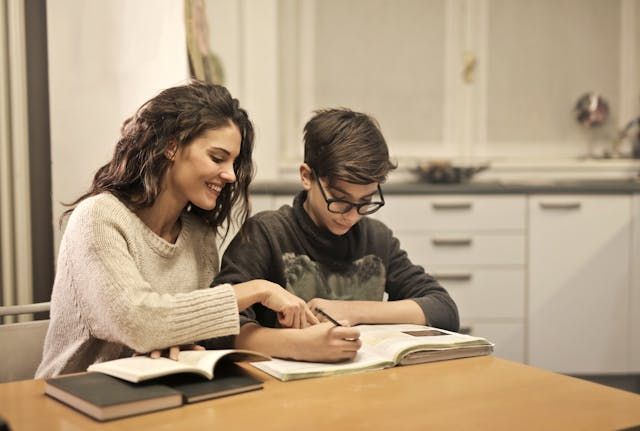
Kids learn a lot by watching what adults do. When adults say reading matters but never read themselves, kids notice the mismatch.
Seeing adults read sends a simple message. Reading is not just for school. It is something people choose to do.
Why Modeling Reading Makes a Difference
When kids see adults read, reading feels normal. It becomes part of daily life instead of a task only kids have to do.
Kids begin to understand that people read for fun, for rest, and to learn new things. That idea sticks much longer than any reminder or rule.
Make Reading Easy to See
Reading needs to happen where kids can see it.
Reading only late at night or in private spaces does not send the same message. Reading on the couch, at the table, or during quiet time does.
Physical books help because kids can see them clearly. If reading happens on a phone or tablet, it helps to say what is happening. Saying, “This is a book,” makes the habit clear.
Small moments matter more than long explanations.
Talk About Reading in Simple Ways
Kids do not need long talks about books.
Simple comments work best. Saying things like, “This part was funny,” or “That was interesting,” shows that reading gives something back.
Asking kids about their books helps too. Asking what part they liked or which character they remember shows that their reading matters.
Listening without correcting keeps the conversation relaxed.
Read Together in the Same Space
Family or classroom reading time can work well. Everyone reads their own book at the same time in the same space.
No teaching.
No quizzes.
Just reading.
This shows kids that reading belongs alongside other daily habits. It also shows that reading is not something kids do alone while adults do something else.
Libraries and Books Support This Habit
Trips to libraries and bookstores help reinforce this message. These places show that books matter outside of home and school.
Let kids browse. Let them choose. Let them take their time.
When reading connects with choice and freedom, interest grows.
Books also help kids understand feelings and friendships. Stories show how people handle problems and fix relationships. This connects well with ideas shared here about helping children make friends:
https://www.ultimateschoolshows.com/simple-tips-on-how-to-help-your-child-make-friends
Small Habits Add Up
Big changes are not required.
Reading where kids can see it. Talking about books in simple ways. Making books part of daily life. These small habits build strong messages over time.
When kids grow up seeing reading as normal, they are more likely to keep reading on their own.
Avoiding the Traps That Kill Reading Motivation
Most parents and schools want kids to enjoy reading. Still, some common habits push kids away from books without meaning to.
Reading often starts out fine. Then pressure creeps in. Kids begin to resist. Adults push harder. Reading slowly turns into a struggle.
Motivation drops when reading stops feeling like a choice.
Forcing Reading Creates Pushback
When kids are told exactly how much to read, reading starts to feel like a chore. It becomes something to finish instead of something to enjoy.
Some kids will comply for a while. Many will not.
Once the pressure goes away, the reading often stops too.
Getting kids to read works better when kids feel some control. Pressure may work short term, but it hurts long-term habits.
Judging Book Choices Shuts Kids Down
Adults sometimes judge the books kids choose. They may say the books are too easy, too silly, or not serious enough.
Kids hear that message clearly.
Graphic novels count. Comics count. Series books count. All reading helps kids grow.
When adults respect book choices, kids feel trusted. When adults judge choices, kids stop sharing what they read. That silence hurts motivation.
Turning Reading Into a Test Ruins the Experience
Stopping kids during reading to check details breaks the flow of the story. Reading starts to feel like work instead of fun.
It is fine to talk about books later. During reading time, letting the story move helps kids stay relaxed.
Pleasure reading should feel safe. There should be no grades, no reports, and no pressure to perform.
Comparing Kids Creates Stress
Every child grows at a different pace. Comparing kids to siblings or classmates creates stress and shame.
Shame does not build readers.
Kids who feel behind often avoid reading. Kids who feel capable are more willing to try again.
Focus on progress, not comparison.
Using Reading as Punishment Sends the Wrong Message
Taking away books or reading time as punishment teaches kids that reading is something negative.
Reading should not feel like a reward that can be lost.
It should feel steady and dependable.
Fixing Motivation After It Drops
If reading has already become a battle, it can be fixed.
Pausing the pressure helps. Removing reminders and rewards helps too. Making books available without comment gives curiosity room to return.
Reading aloud again can help. Audiobooks can help. Library visits without rules can help.
Once pressure fades, interest often comes back.
Connecting Books to Real Life Experiences
Books mean more to kids when they connect to real life.
Stories feel stronger when kids see parts of themselves, their questions, or their daily world inside the pages. Reading stops feeling distant and starts feeling useful.
Books Help Kids Understand Feelings
Kids often connect with characters who feel nervous, excited, angry, or left out. Seeing those feelings in stories helps kids understand their own emotions.
Books about friendship problems, new schools, or family changes help kids feel less alone. These stories open the door to quiet conversations without pressure or lectures.
Stories give kids words for feelings they do not always know how to explain yet.
This kind of understanding supports social growth, including skills like the ones shared here about helping children make friends:
https://www.ultimateschoolshows.com/simple-tips-on-how-to-help-your-child-make-friends
Bring Books Into Everyday Life
Books come alive when they connect to real experiences.
A story about animals feels more exciting after a trip to the zoo. A book about space feels more real after looking at the night sky. A cooking story makes more sense when kids help in the kitchen.
These moments help kids remember stories and care about them more. Reading stops being something that stays on the page and starts showing up in daily life.
Follow Interests With Groups of Books
When kids show interest in a topic, offering more books about that topic helps reading stick.
Different formats help. Picture books, chapter books, and nonfiction all play a role. Seeing the same idea in different ways helps kids understand it better.
This shows kids that books answer questions and feed curiosity. Reading becomes useful, not just entertaining.
Using Libraries and Bookstores as Adventure Destinations
Libraries and bookstores shape how kids feel about reading.
When visits feel rushed or strict, kids pull back. When visits feel calm and open, kids relax and explore.
Make Library Visits Feel Easy
Library visits work best when kids have time.
Let them walk through the shelves. Let them flip pages. Let them sit and read for a few minutes if they want.
Rushing creates pressure. Pressure shuts curiosity down.
Many libraries also offer story times, crafts, and reading clubs. These events help kids connect books with fun and community, not just rules.
Teach Kids How to Use the Library
Kids feel proud when they know how things work.
Showing kids where their favorite books are helps. Helping them ask a librarian for ideas helps too.
Having their own library card builds confidence and responsibility. Kids who feel capable are more likely to return on their own.
Make Bookstores Feel Special
Bookstores feel different because books can be kept.
Letting kids choose a book to own creates strong memories. Birthday book trips and special occasion visits work well.
Some bookstores host story hours or author visits. Seeing real people connected to books helps kids understand that stories come from people, not just pages.
Help Kids Choose Without Stress
Too many rules make choosing hard.
Reading the first page together helps. Asking if the story sounds interesting helps. Trusting the child’s choice helps most of all.
If a book does not work out, it can always be returned. Knowing that takes pressure away.
Building Choice and Autonomy Around Reading
Choice is one of the strongest tools for getting kids to read. When kids feel some control, reading feels less like an order and more like a personal choice.
When adults control every part of reading, kids often push back. When kids have options, interest has room to grow.
Let Kids Choose What They Read
Kids enjoy reading more when they pick their own books.
Graphic novels are fine. Joke books are fine. Magazines and comics are fine too. All of it counts as reading.
When adults respect these choices, kids feel trusted. That trust keeps kids engaged and willing to keep reading.
Taking choices away usually has the opposite effect.
Let Kids Choose How They Read
There is no single right way to read.
Some kids like reading in bed. Others prefer the floor, a couch, or a quiet corner. Some kids focus better while listening to audiobooks and following along with the text.
Comfort helps kids stay with a book longer. Longer reading time builds stronger habits.
Let Kids Choose When They Read
Reading works best when kids have a say in timing.
Some kids read better in the morning. Others focus more later in the day. Allowing some flexibility helps reading fit into real life instead of fighting against it.
Clear routines still help, but flexibility keeps reading from feeling forced.
Keep Boundaries Simple
A few limits are helpful.
Books should be safe and age-appropriate. Reading should happen regularly.
Beyond that, too many rules turn reading into work. Simple guidelines leave room for enjoyment.
Choice Builds Confidence
When kids make choices about reading, they feel capable. That feeling matters.
Confidence leads to more reading. More reading leads to stronger skills over time.
Choice does not weaken structure. It strengthens motivation.
Celebrating Reading Without Bribing
Celebration can support reading when it stays focused on effort and enjoyment, not rewards.
Reading should feel good on its own, not like something done to earn prizes.
Talk About Reading Instead of Tracking It
Instead of counting books or minutes, talk about stories.
Ask what part was funny. Ask what surprised them. Ask which character they remember.
These conversations show kids that reading matters.
Simple lists or charts can help kids see progress, but they should stay low-pressure. The goal is pride, not competition.
Be Careful With Rewards
Food and money rewards often backfire. They teach kids to read for prizes instead of interest.
For very reluctant readers, small short-term rewards can help restart reading. These should fade as soon as curiosity returns.
The goal is always enjoyment, not payment.
Handling Reluctant Readers With Patience and Strategy
Some kids avoid reading for real reasons. Pushing harder rarely solves the problem.
Common Reasons Kids Avoid Reading
Some kids find reading hard. Others lose focus quickly. Some worry about making mistakes. Some kids prefer active play.
Each reason needs a different response.
Audiobooks help many kids enjoy stories without stress. Graphic novels make stories easier to follow. Short reading sessions reduce overwhelm.
Success builds confidence.
When Extra Support Helps
If reading stays very difficult after second grade, extra support can make a big difference.
Early help prevents years of frustration. With the right tools, many struggling readers grow into confident ones.
Conclusion: Helping Kids Become Lifelong Readers
Helping kids enjoy reading does not require perfect routines or expensive programs.
It requires patience, consistency, and trust.
Getting kids to read happens when books feel safe, interesting, and easy to reach. Some kids fall in love with reading quickly. Others take more time.
Both paths are normal.
Keep offering books. Keep reading aloud. Keep showing that books matter.
That is how lifelong reading habits grow.
Want to inspire your entire school to read more? Check out my fun-filled reading assembly, "Books! The Magic is Real!" It's a fun, reading adventure filled with magic, join-in fun, music, and more. Contact me today for more details!
SHARE POST